Preventive Care Tips After Gum Disease Treatment in Ventura
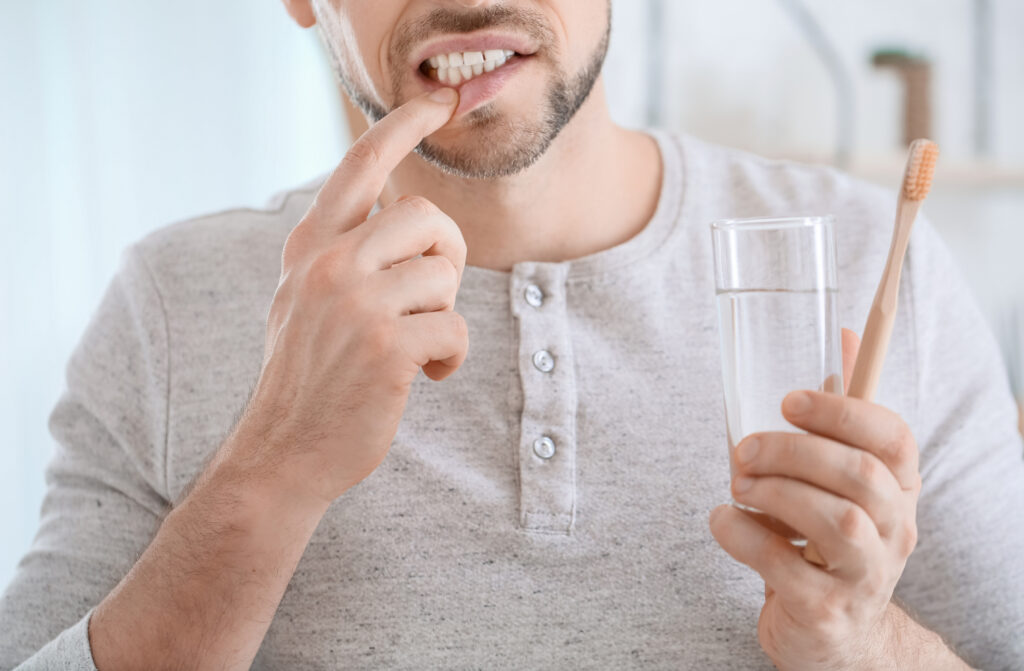
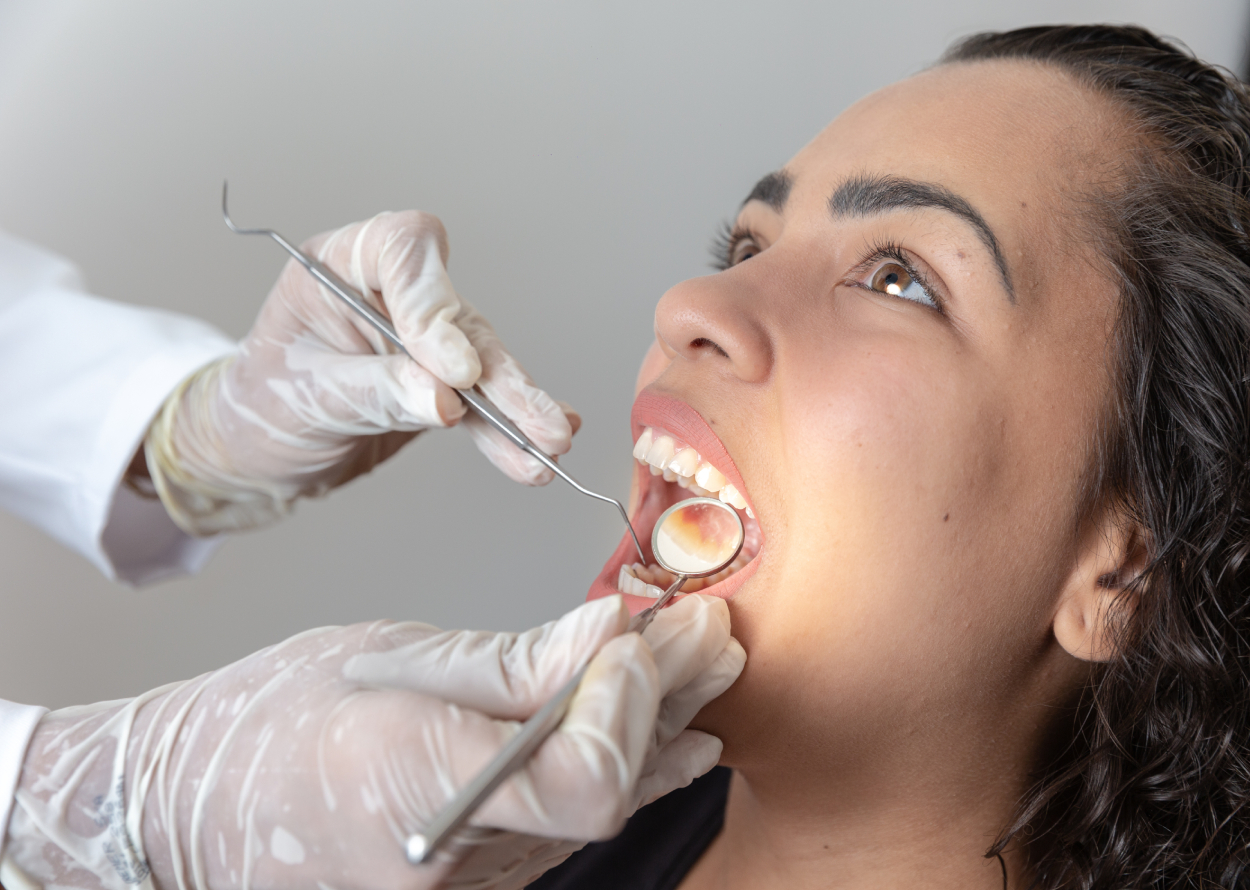
Completing treatment for gum disease often feels like crossing a finish line. The swelling has eased, bleeding has improved, and your mouth finally feels cleaner and less tender. That relief is real, but it is only part of the story. Periodontal care does not end when the deep cleaning, scaling and root planing, or other phase of care is finished. In many cases, that is the point where maintenance becomes most important.
Patients who go through Gum Disease Treatment in Ventura often ask the same practical question afterward: how do I keep this from coming back? It is a fair question, especially because gum disease has a frustrating habit of returning quietly. Unlike a cavity that may trigger sharp pain, periodontal problems can redevelop with very subtle signs. A little bleeding while brushing, slightly persistent bad breath, or a feeling that food packs between certain teeth more than it used to, these details matter.
The good news is that prevention after treatment is usually very manageable when it becomes routine. Most setbacks happen not because someone ignores their mouth completely, but because they underestimate how quickly plaque can harden, how strongly inflammation responds to missed home care, or how much a poorly fitting retainer, smoking habit, dry mouth, or uncontrolled diabetes can influence healing. The best preventive plan is rarely dramatic. It is consistent, specific, and adjusted to your actual risk factors.
Why maintenance matters so much after treatment
Gum disease is an inflammatory condition tied to bacterial buildup below and along the gumline. Treatment reduces bacterial load and helps the tissues recover, but it does not erase your tendency to collect plaque in hard to reach areas. If you have already had periodontal pockets, gum recession, bone loss, or chronic bleeding, your mouth has shown that it is more vulnerable than average.
That vulnerability does not mean failure. It means your maintenance plan needs to be stronger than someone who has never had periodontal disease. A person with a history of gum disease can brush twice a day and still need more careful flossing technique, more frequent professional cleanings, or specific tools for bridges, implants, or crowded lower front teeth. That is why follow up care after Gum Disease Treatment is not a courtesy appointment. It is part of treatment.
There is also a timing issue many people do not realize. Bacteria can recolonize treated areas fairly quickly. Soft plaque is one problem, but mineralized tartar is harder to remove at home once it forms. If tissue inflammation returns, pocket depths can worsen again. Early intervention is simpler, less expensive, and easier on the mouth than waiting until gums are tender or teeth begin to feel loose.
The first three months set the tone
The period immediately after treatment is where habits either stabilize or drift. During those first weeks, gums are often more responsive to good care. Patients notice less bleeding and fresher breath, which can be motivating. At the same time, once discomfort fades, people sometimes go back to rushed brushing and inconsistent flossing because they assume the problem is solved.
That is where discipline pays off. If your dentist or periodontist in Ventura recommended a periodontal maintenance interval shorter than the standard six months, there was a reason. Many people with a history of periodontitis do better on a three or four month schedule, at least for a while. That spacing reduces the chance that bacterial buildup will sit undisturbed long enough to trigger another inflammatory cycle.
I have seen this play out in a very ordinary way. A patient does well after deep cleaning, bleeding drops dramatically, and pocket measurements improve. Then life gets busy. A missed maintenance visit turns three months into eight, home care slips a little, and by the next exam the gums are puffy again around the molars and lower incisors. It rarely happens overnight. It happens through small delays and small compromises.
Brushing technique matters more than brushing force
One of the most common mistakes after Gum Disease Treatment in Ventura is aggressive brushing. People often think they need to “scrub harder” to keep the gums healthy. In reality, excessive pressure can irritate healing tissue and wear away root surfaces, especially where recession has already exposed areas that are more sensitive.
A soft bristle brush or a quality electric toothbrush is usually the safer choice. The goal is not force. The goal is thorough disruption of plaque at the gumline. Angle the bristles toward the edge of the gums and clean with short, controlled motions. If you use an electric brush, let the brush do the work. Guiding it slowly tooth by tooth often works better than moving it around quickly.
Two full minutes is a useful benchmark, but technique beats timing when time is spent poorly. Molars deserve special attention because they trap food and are harder to visualize. The inside surfaces of lower front teeth also need close care because tartar builds there quickly, especially in people with strong salivary flow from the nearby glands.
If your gums still bleed in isolated spots after treatment, that area should not be ignored. It should be cleaned more carefully, not less. Persistent bleeding is often a signal that plaque remains there.
Flossing is not optional, but the right tool may not be floss alone
Traditional string floss works well for many people, but it is not the only option and it is not always the best one for every mouth. Tight contacts, bridgework, implants, orthodontic retainers, open spaces from bone loss, and reduced dexterity all change what “effective” looks like.
For some patients, interdental brushes are more useful than floss in larger spaces. For others, a water flosser helps flush plaque and food debris from areas they consistently miss, particularly behind back molars or around fixed appliances. If you have had recession and root exposure, a gentler tool with better control may be more comfortable and therefore more likely to become a real habit.
The key is matching the device to your anatomy. A patient who hates floss and never uses it is better off with an interdental brush used nightly than with a roll of floss sitting untouched in a drawer. If your provider recommended a specific size of interdental brush, that detail matters. Too small and it glides through without cleaning much. Too large and it can traumatize tissue.
The home care routine that tends to work best
The most successful maintenance routines are simple enough to repeat even on exhausting days. Perfection is not the goal. Reliability is.
- Brush thoroughly twice a day with a soft brush, focusing on the gumline.
- Clean between the teeth once a day with the tool your dental provider recommended.
- Use any prescribed rinse exactly as directed, especially in the short term after active treatment.
- Keep periodontal maintenance visits on schedule, even if your mouth feels fine.
- Pay attention to changes in bleeding, odor, tenderness, or shifting teeth and report them early.
That routine looks basic on paper, yet it is the backbone of long term stability. Most patients do not need an elaborate shelf full of products. They need the right technique, a tool they will actually use, and a schedule they respect.
Mouthwash can help, but it cannot rescue weak habits
Many people hope a rinse will do more than it can. Antimicrobial or prescription mouthwashes may reduce bacterial levels and support healing, especially during short periods after treatment, but they are an add on. They do not remove plaque that is physically attached to the teeth. Mechanical cleaning still does the heavy lifting.
This is one area where professional judgment matters. Some rinses are useful after scaling and root planing or in patients with limited dexterity. Others can cause staining, alter taste temporarily, or feel too harsh for dry mouths. Over the counter cosmetic rinses may freshen breath without doing much for periodontal health. If you are spending money on products, it is worth asking whether they address your actual problem or just make your mouth feel minty for half an hour.
Food choices affect the gums more than most people think
Diet alone does not cause gum disease, but it strongly shapes the environment in which bacteria thrive and tissues heal. Frequent sugary snacks feed plaque bacteria, and sticky carbohydrates cling around the gumline longer than people realize. Acidic beverages may not directly cause periodontal disease, yet they can worsen sensitivity on exposed roots and contribute to an overall less healthy oral environment.
Hydration matters too. A dry mouth tends to accumulate plaque more easily because saliva normally helps buffer acids and wash away debris. Patients who drink very little water, breathe through their mouths at night, or take medications that reduce saliva often have a harder time keeping inflammation down.
A practical eating pattern after Gum Disease Treatment usually favors fewer grazing episodes, more water, and meals that include fibrous foods rather than relying on ultra processed snacks. Crunchy vegetables, protein rich foods, and balanced meals do not replace brushing, but they tend to support steadier oral conditions than a day built around coffee with sweeteners, crackers, and frequent nibbling.
Smoking and vaping can quietly undo progress
Tobacco remains one of the clearest risk factors for recurrence of periodontal disease. Smoking reduces blood flow, impairs healing, and can mask gum bleeding, which makes disease activity harder to spot. That last point surprises many patients. Gums may look less inflamed on the surface than they really are, which creates a false sense of security.
Vaping deserves the same serious conversation. While the exact long term periodontal effects are still being studied in detail, nicotine itself is not gentle on gum tissue and healing. A patient may go through Gum Disease Treatment, see improvement, and still struggle to maintain stable pockets if nicotine exposure continues. If quitting feels overwhelming, reducing use and getting formal support is still worthwhile. Dental teams see the difference when patients make progress, even if it happens in stages.
Medical conditions and medications can change the maintenance plan
Gum health is connected to the rest of the body more closely than many people assume. Diabetes is the classic example. When blood sugar is poorly controlled, inflammation tends to run higher and healing may be less predictable. The reverse is also true, healthier gums can make diabetes management easier for some patients.
Other factors deserve attention too. Certain medications can cause dry mouth or gum overgrowth. Pregnancy can intensify gum inflammation. Autoimmune conditions, cancer therapies, and osteoporosis treatments may all affect how the mouth responds to bacteria or procedures. This does not mean prevention becomes impossible. It means your dentist should know your full medical picture, and you should not assume a generic maintenance plan fits every season of life.
I have seen patients blame themselves for recurring tenderness when the real issue was a new blood pressure medication drying the mouth or a retainer edge trapping plaque after orthodontic treatment. Self care still matters, but context matters too.
Ventura’s climate and lifestyle can play a role
Ventura offers a coastal environment and an active outdoor lifestyle that many people love, but local habits can influence oral health in small ways. Time in the sun and wind, long cycling or hiking days, and high coffee intake on the go can leave some people mildly dehydrated. Mouth breathing during exercise adds to that. For patients already prone to dry mouth or recession, this can make the gums feel more sensitive and plaque control harder.
There is also a practical scheduling issue. People with packed workweeks, school drop offs, and weekend beach plans often delay maintenance care because they do not feel immediate pain. That is understandable, but periodontal stability favors regularity over convenience. If you have had Gum Disease Treatment in Ventura, booking your next maintenance visit before you leave the office usually works better than planning to call later.
Watch for the subtle signs of recurrence
Recurring gum disease is often quiet at first. Pain is not a reliable early warning sign. What usually appears sooner are small changes that are easy to explain away.
Signs worth taking seriously include:
- Bleeding when brushing or cleaning between the teeth after that symptom had improved.
- Ongoing bad breath or a bad taste that does not resolve with normal cleaning.
- Puffy, shiny, or tender gum tissue, especially in the same area repeatedly.
- Teeth that seem slightly longer, more sensitive, or looser than before.
- Food trapping in new places or a bite that feels different.
If any of those signs persist for more than a short stretch, call your dental office. Waiting to “see if it settles down” tends to cost time that the gums would rather have.
Retainers, crowns, implants, and fillings deserve special attention
Restorative and orthodontic work can complicate plaque control in ways that are not obvious until someone is dealing with recurrent inflammation. A slightly overcontoured crown, a rough filling edge, or a permanent retainer behind the front teeth can create sheltered zones where biofilm accumulates. Implants need careful maintenance too. They do not get cavities, but the surrounding tissue can still develop inflammation and bone loss if hygiene slips.
This is one reason follow up exams matter beyond routine cleaning. Your provider is not only polishing teeth. They are checking whether the architecture of the mouth has changed. A space may now be better cleaned with a proxy brush than floss. A night guard may need adjustment. A lower retainer may require more targeted cleaning. A crown margin may be harder to access than expected. Small design and anatomy issues often separate patients who stay stable from patients who keep https://telegra.ph/Gum-Disease-Treatment-in-Ventura-and-the-Importance-of-Early-Diagnosis-07-26 battling the same inflamed site.
When sensitivity shows up after treatment
Some sensitivity after periodontal therapy is common, especially if gums were swollen before treatment and then tightened as inflammation resolved. Exposed root surfaces can react to cold air, chilled drinks, and brushing. This can tempt people to avoid cleaning sensitive spots, which unfortunately makes those exact areas more likely to flare again.
Usually the better approach is to use a desensitizing toothpaste consistently, avoid very aggressive brushing, and let your dental team know if sensitivity is severe or persistent. Sometimes a fluoride varnish, bonding material, or another targeted measure is appropriate. The point is not to tough it out silently. Comfortable gums are easier to care for, and easier care supports long term success.
The maintenance schedule is part of the treatment, not an extra
Many patients are conditioned to think in six month dental cycles. Once someone has had periodontitis, that standard interval may no longer fit. Periodontal maintenance every three or four months is common because the bacterial ecosystem and tissue response in a previously diseased mouth tend to justify closer supervision.
That recommendation is not about upselling visits. It reflects what clinicians observe repeatedly: patients with prior bone loss or deep pockets often remain healthier when buildup is disrupted before it matures into another inflammatory problem. Over time, if home care is excellent and the tissues remain very stable, some providers may adjust the interval. Others may keep it short because the history of disease warrants caution. Either approach can be reasonable when guided by actual findings rather than habit.
What long term success usually looks like
Long term success after Gum Disease Treatment does not always mean a perfectly textbook mouth. Some patients will still have areas of recession, a few deeper but stable pockets, or occasional sensitivity. Stability is the real target. That means minimal bleeding, no active infection, manageable pocket depths, and bone levels that are not continuing to deteriorate.
The patients who do best are rarely the ones chasing every new product. They are the ones who know their weak spots, keep regular appointments, and respond early when something feels off. They understand that a history of gum disease calls for maintenance with intention. That is not burdensome once it becomes part of normal life. It is simply the price of keeping treatment results intact.
For anyone who has completed Gum Disease Treatment in Ventura, the most useful mindset is straightforward: your gums have already shown you what happens when plaque and inflammation are allowed to take hold. Now you have the chance to keep the tissue calm, preserve bone and teeth, and avoid repeating a condition that is much easier to prevent than to rebuild from. Consistent preventive care does exactly that.
Avra Dental
Address: 1708 S Victoria Ave B, Ventura, CA 93003
Phone number: (805) 941-1001
FAQ About Gum Disease Treatment in Ventura
How to improve gum health quickly?
To improve gum health quickly, eliminate plaque buildup by brushing for two full minutes twice a day at a 45-degree angle to the gumline. Floss daily to clean under the gumline, and rinse with an antimicrobial, alcohol-free mouthwash. For immediate relief of soreness, use a warm saltwater rinse.
What is the fastest way to cure gum disease?
To quickly cure early-stage gum disease (gingivitis), eliminate the plaque buildup causing the inflammation. Brush gently but thoroughly for two minutes twice daily, floss daily, and use an antibacterial mouthwash or a warm saltwater rinse. However, if tartar has hardened, professional treatment is necessary.
How do I treat my gum disease at home?
You can treat early gum disease at home by practicing strict daily oral hygiene, rinsing with salt water or antibacterial mouthwash, and quitting smoking. True gum disease (especially advanced forms like periodontitis) cannot be fully cured at home once tartar forms, and you must see a dentist for professional cleanings.