Periodontal Treatment Ventura: Proven Solutions for Gum Health
Healthy gums rarely get much attention until something starts to feel off. A little bleeding when brushing. Persistent bad breath that does not improve with mouthwash. Teeth that seem slightly longer than they used to be. For many adults, those early signs are easy to dismiss. In practice, they are often the first clues that gum disease is taking hold.
That matters because periodontal disease is not just a cosmetic problem. It affects the tissues and bone that support your teeth. Left untreated, it can loosen that support little by little, sometimes painlessly, until the damage becomes expensive, difficult to reverse, or both. Patients are often surprised by how advanced gum disease can become before it truly hurts.
For anyone researching Periodontal Treatment Ventura, the good news is that modern care is effective, conservative when caught early, and far more comfortable than its reputation suggests. The right treatment depends on how far the disease has progressed, what your home care looks like, whether you smoke or vape, how your bite functions, and even how dry your mouth tends to be. Gum care is never one size fits all. The most reliable results come from matching the treatment to the biology in front of you, then following through with maintenance.
What periodontal disease actually is
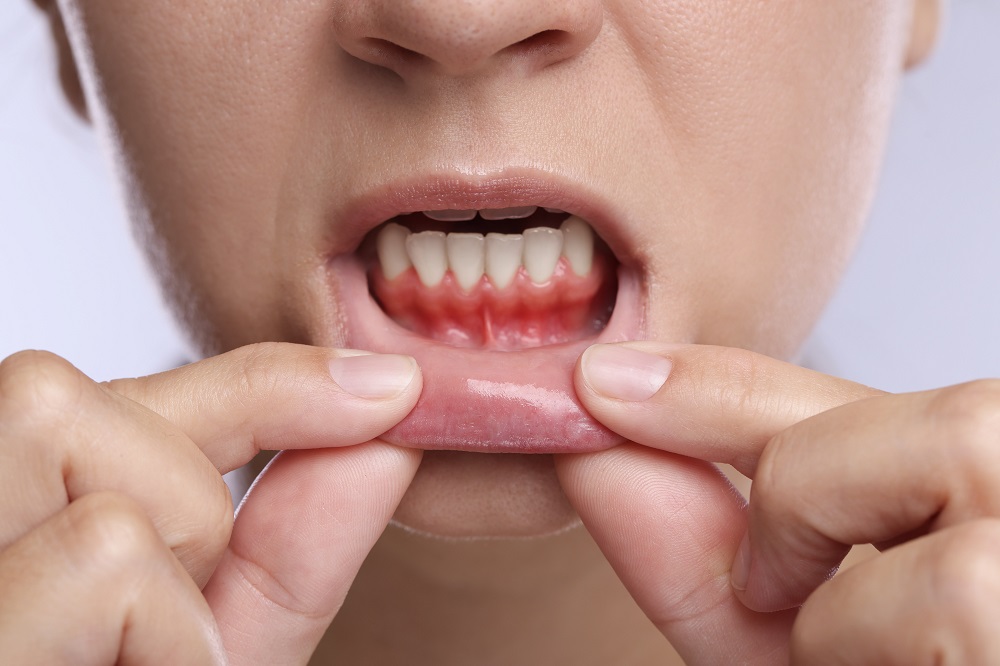
Periodontal disease begins with plaque, a sticky bacterial film that constantly forms on teeth. If plaque is not removed thoroughly, it hardens into calculus, also called tartar. Once calculus accumulates along and under the gumline, the gums become irritated and inflamed. At this early stage, called gingivitis, gums may look puffy, bleed during brushing or flossing, and feel tender. Gingivitis is common, and importantly, it is reversible.
The trouble starts when inflammation extends deeper. The attachment between tooth and gum weakens, and small pockets form around the teeth. Those pockets create protected spaces where bacteria thrive. Over time, the body’s inflammatory response, combined with bacterial activity, breaks down connective tissue and bone. That is periodontitis.
What makes periodontitis tricky is that the disease can move quietly. Many people assume that if they are not in pain, everything is fine. Gum disease does not work that way. I have seen patients come in for what they thought was a routine cleaning only to discover deep pockets around molars, recession around the lower front teeth, or early bone loss visible on X rays. They were not neglectful. Most simply did not realize that bleeding gums are not normal and that brushing alone cannot remove hardened deposits below the gumline.
Why Ventura patients often wait too long
People delay gum treatment for predictable reasons. Life gets busy. Work schedules are packed. Dental anxiety is real. Many assume bleeding means they brushed too hard, not that inflammation is present. Others have had regular cleanings elsewhere but https://trentonyahh847.fotosdefrases.com/the-importance-of-personalized-periodontal-treatment-in-ventura never received a focused periodontal evaluation, so they believe their gums must be healthy.
There are also practical local factors. In coastal communities, outdoor lifestyles and social routines can keep people on the move. Health issues that do not feel urgent get pushed down the list. Gum disease often benefits from that kind of delay.
Another issue is confusion about the difference between a standard cleaning and periodontal treatment. They are not interchangeable. A routine prophylaxis is designed for a generally healthy mouth. Once pocketing, attachment loss, or significant subgingival calculus are present, a deeper therapeutic approach is usually needed. Continuing with routine cleanings in that situation often means the disease is being polished around, not treated.
The signs that deserve attention
A few symptoms show up again and again in patients who later need periodontal care. Some are obvious, some are easy to rationalize away.
- Bleeding during brushing or flossing
- Gums that look swollen, red, or shiny
- Chronic bad breath or a bad taste in the mouth
- Gum recession or teeth that appear longer
- Loose teeth or shifting bite
Bleeding is the one patients most often underestimate. Healthy gums do not bleed from ordinary brushing and flossing. If they do, something is irritating the tissue. It might be as simple as localized gingivitis, or it might signal deeper pocketing. Either way, it is worth evaluating.
Recession deserves special mention. Not all recession comes from periodontal disease. Some people have thin gum tissue, brush too aggressively, clench heavily, or have teeth positioned slightly outside the bony housing. But when recession appears alongside inflammation, pocketing, and bone loss, gum disease is often part of the picture.
How periodontal disease is diagnosed properly
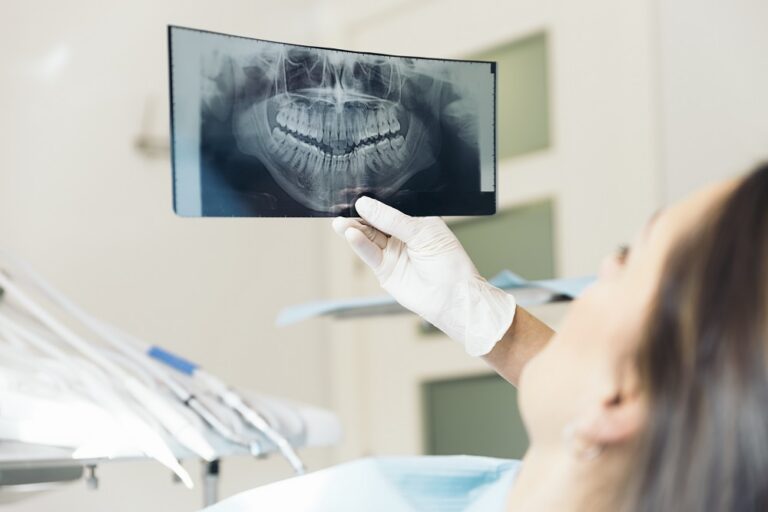
Accurate diagnosis is more specific than many patients expect. A meaningful gum evaluation usually includes periodontal probing, charting of pocket depths, checking for bleeding points, assessing recession, evaluating tooth mobility, and reviewing radiographs for bone levels and calculus deposits. That may sound technical, but it gives the clinical map needed to choose treatment wisely.
Pocket depth is one of the most important measurements. A healthy sulcus is generally shallow enough to keep clean at home. As measurements deepen, bacteria become harder to disrupt with ordinary brushing and flossing. Deeper sites also tend to trap more calculus. Bleeding on probing tells its own story, because inflamed tissue is more likely to bleed even with gentle examination.
Radiographs add another layer. Bone loss patterns can reveal whether the disease is generalized or isolated to certain areas. For example, lower front teeth sometimes show recession and localized bone loss in patients who have long standing tartar buildup there. Molars may show deeper involvement because their root anatomy is more complex and harder to clean.
A thorough exam also considers risk factors. Smoking remains one of the strongest. Diabetes, especially when poorly controlled, is another. Dry mouth from medications, immune conditions, hormonal shifts, and heavy bite forces can all complicate the picture. Good treatment planning means treating the disease you can see and the conditions that make it persistent.
What proven periodontal treatment looks like
When people search for Periodontal Treatment Ventura, they often want a simple answer, a single procedure that fixes the problem. In reality, periodontal care is a sequence. First the bacterial burden is reduced. Then the tissues are re evaluated. If deeper defects remain, additional therapy may be recommended. Maintenance follows for the long term.
The foundation of non surgical treatment is scaling and root planing. This is often called deep cleaning, though that phrase can make it sound more cosmetic than it is. Scaling removes calculus and bacterial deposits from above and below the gumline. Root planing smooths contaminated root surfaces so the tissue can heal and reattach more effectively. Local anesthetic is commonly used, and most patients tolerate the process well.
When done carefully, scaling and root planing can significantly reduce inflammation, shrink pocket depths, and improve comfort. It is especially effective in mild to moderate periodontitis. In some cases, adjunctive antimicrobial measures may be used, but they are not substitutes for mechanically removing deposits. If calculus remains under the gumline, rinse alone will not solve the problem.
After healing, the gums are re measured. This step matters. Some pockets resolve beautifully once the irritant is removed and the patient improves home care. Others remain deep due to root anatomy, furcation involvement, tissue contours, or established bone defects. That is where surgical treatment may enter the conversation.
When surgery becomes the better option
Patients often hear the word surgery and imagine the worst. Periodontal surgery is not automatically a sign of failure. In many situations, it is simply the most predictable way to access and treat areas that non surgical therapy cannot fully resolve.
Flap surgery, sometimes called pocket reduction surgery, allows the clinician to gently reflect the gum tissue, remove deep deposits under direct vision, smooth irregular bone if needed, and position the tissue for better cleansing access. The goal is to reduce pocket depth and create an environment the patient can maintain.
Gum grafting addresses another common problem, recession. If roots are exposed, teeth may become sensitive, look uneven, and lose protective tissue thickness. A graft can cover exposed root surfaces in selected cases and improve tissue resilience. Results vary depending on anatomy, but for the right patient, grafting can be both functional and aesthetic.
Regenerative procedures aim to rebuild support in carefully selected defects. Not every bone loss pattern can regenerate predictably, but some vertical defects respond well when anatomy is favorable and inflammation is under control. This is where judgment matters. Promising regeneration where the defect is broad, shallow, or unstable does no one any favors.
Laser assisted periodontal therapy is another area patients ask about. In some offices, lasers are used as part of treatment. They can play a role, but they are tools, not magic. The success of periodontal care still rests on diagnosis, debridement quality, patient compliance, and maintenance. A laser cannot overcome poor plaque control or untreated systemic risk factors.
The phase many people overlook: maintenance
The least glamorous part of periodontal therapy is also the part that determines whether the gains last. Once someone has had periodontitis, they remain more vulnerable to future breakdown than a person with no history of the disease. That does not mean failure is inevitable. It means maintenance has to be intentional.
Periodontal maintenance visits are different from routine cleanings. They are scheduled more frequently, often every three to four months, though intervals vary. These visits allow the team to disrupt bacterial recolonization before it becomes destructive again, monitor pockets and bleeding, and catch recurrence early.
A familiar pattern in clinical practice goes like this: the initial treatment works, the gums look better, the patient feels better, and because things seem stable, the patient stretches the recall interval to six months or longer. By the time they return, deeper sites may be inflamed again. The disease does not always roar back, but it rarely appreciates neglect.
Maintenance is also where small corrections happen. Maybe plaque control is good on the upper teeth but weak behind the lower molars. Maybe a night guard is needed because clenching is contributing to mobility. Maybe a medication has worsened dry mouth. These details rarely show up in before and after marketing photos, yet they often decide long term stability.
What treatment feels like and what recovery is usually like
Fear keeps a lot of people from seeking gum treatment. Most expect discomfort that is far worse than what they actually experience. With local anesthetic, scaling and root planing is usually manageable. Some areas may feel pressure or vibration, but sharp pain is not the goal and should not be the norm. Mild tenderness and sensitivity afterward are common, especially around exposed roots, but many patients return to work the same day.
Surgical recovery depends on the procedure. Gum grafting tends to involve a more noticeable healing period, particularly if donor tissue is taken from the palate. Flap procedures can cause soreness and swelling for several days, though many patients describe the recovery as easier than they anticipated. The first week usually requires softer foods and careful brushing around treated areas.
The bigger issue is often not pain, but adaptation. Patients have to change routines. They may need different floss, proxy brushes, an electric toothbrush, or a gentler technique near recession sites. Good practices are not difficult, but they do need repetition.
Home care that supports professional treatment
No clinical procedure can outwork poor daily plaque control. That is not a moral judgment, just a biological one. The best periodontal results come when patients understand what they are trying to do at home: disrupt bacterial biofilm consistently and gently, especially along the gumline and between teeth.
A practical routine usually includes the following:
- Brush twice daily with a soft brush or quality electric toothbrush, angling bristles toward the gumline.
- Clean between teeth every day with floss, interdental brushes, or both, depending on spacing and anatomy.
- Use any prescribed rinse or gel exactly as directed, not indefinitely unless recommended.
- Keep periodontal maintenance visits on schedule, even when the mouth feels fine.
- Address dry mouth, smoking, or uncontrolled medical issues that make recurrence more likely.
Technique matters more than force. Scrubbing hard does not clean better. It often worsens recession and sensitivity. The patient with the cleanest mouth is not usually the one brushing aggressively for ten minutes. It is the one who uses the right tools consistently and pays attention to the hard to reach sites.
Interdental brushes deserve special mention. For patients with larger spaces, bridges, implants, or recession, they can clean far better than floss alone. On the other hand, tight contacts in a low recession mouth may still favor floss. This is why personalized instruction matters. Generic advice helps, but tailored advice changes outcomes.
Special cases that change the treatment plan
Not every gum disease case follows the same script. Pregnant patients may show exaggerated gingival inflammation due to hormonal changes, even with decent hygiene. Orthodontic movement can complicate cleaning and may aggravate weak tissue areas. Patients with uncontrolled diabetes often heal more slowly and present with more persistent inflammation. Smokers may show less overt bleeding despite more advanced disease, which can make the condition look deceptively quiet.
There is also the issue of implants. People sometimes assume implants are immune to gum disease because they are not natural teeth. They are not. Implants can develop peri implant mucositis and peri implantitis, inflammatory conditions that affect the surrounding soft tissue and bone. If someone has a history of periodontitis, implant maintenance becomes even more important.
Another edge case is the patient with excellent brushing habits but progressive recession and mobility. Sometimes the primary driver is heavy bite force or nighttime clenching, not just plaque. In those cases, periodontal therapy may need to be paired with occlusal adjustment, a night guard, or restorative changes. Ignoring the mechanical factor can limit the success of gum treatment.
Cost, value, and the price of waiting
Patients understandably ask about cost. Exact fees vary by office, number of areas treated, need for surgery, and whether sedation or grafting materials are involved. What can be said with confidence is that earlier treatment is usually simpler and less expensive than delayed treatment.
A patient with gingivitis may need improved home care and a professional cleaning. A patient with moderate periodontitis may need full scaling and root planing, periodontal maintenance, and possible localized surgery. A patient who waits until teeth are mobile may face extractions, grafting, implants, bridges, or partial dentures. The price curve rises quickly as support is lost.
Value also includes preserving what nature already built. Keeping your own teeth, when they are maintainable, usually gives the best function and comfort. Restorative replacements can be excellent, but they come with their own maintenance demands and costs. Periodontal treatment is often the step that protects all other dental investment, including crowns, veneers, and implants.
Choosing the right provider in Ventura
If you are comparing options for Periodontal Treatment Ventura, look beyond marketing language. What you want is thoughtful diagnosis, clear explanations, and a maintenance philosophy that is realistic. A strong periodontal office does not rush straight to procedures without probing, charting, and reviewing radiographs. It explains why a treatment is recommended, what alternatives exist, and what your role will be afterward.
Communication matters. Patients do best when they understand whether they have gingivitis or periodontitis, how severe it is, which teeth are most at risk, and what success looks like. The answer is not always dramatic. Sometimes success means stabilizing a compromised tooth for years through meticulous maintenance. Sometimes it means recognizing that one tooth has a poor prognosis while the rest of the mouth is quite treatable.
Practical fit matters too. If the office recommends frequent maintenance but scheduling is impossible, long term compliance suffers. If home care instructions feel generic or rushed, patients leave without the tools they need. Periodontal care works best when the treatment plan fits real life.
The outlook for gum health is better than many people think
One of the most reassuring parts of periodontal care is how much improvement can happen once inflammation is brought under control. Gums often tighten, bleeding decreases, breath improves, and tenderness fades. Patients who thought they were headed for multiple tooth losses sometimes stabilize beautifully with the right treatment and disciplined maintenance.
That does not mean every case can be reversed. Lost bone support does not simply reappear on its own, and some recession cannot be fully covered. But disease control is a meaningful win. Stability is a meaningful win. Keeping comfortable, functional teeth for the long term is a meaningful win.
The earlier the disease is identified, the more conservative the solution tends to be. If you have noticed bleeding, recession, or persistent bad breath, it is worth having a proper periodontal evaluation rather than waiting for pain to make the decision for you. Gum disease responds best when treated before the damage becomes obvious. For many patients seeking Periodontal Treatment Ventura, that step is the one that protects not only their smile, but the foundation beneath it.
Avra Dental
Address: 1708 S Victoria Ave B, Ventura, CA 93003
Phone number: (805) 941-1001
FAQ About Periodontal Treatment Ventura
Can a dentist get rid of periodontal disease?
A dentist or gum specialist (periodontist) cannot fully cure or reverse advanced periodontal disease (periodontitis), but they can successfully stop its progression and manage the infection.
Is periodontitis very serious?
Yes, periodontitis is a very serious, advanced form of gum disease that destroys the bone and tissues supporting your teeth.
How is stage 2 periodontal disease treated?
Stage 2 periodontal disease (early to moderate periodontitis) is primarily treated with non-surgical deep cleaning procedures like scaling and root planing to remove bacteria and tartar below the gumline.