Periodontal Treatment FAQs: Answers Every Patient Should Read

If you have been told you need periodontal treatment, chances are the conversation happened fast. You may have heard words like pocket depth, bone loss, scaling and root planing, maintenance, or even surgery, then left the office wondering what any of it really means for your mouth, your health, and your budget.
That reaction is common. Gum disease rarely announces itself with dramatic pain in the early stages, so many people are surprised when the diagnosis sounds serious. I have seen patients sit upright the moment they hear the phrase “periodontal disease,” especially if they came in thinking they only needed a routine cleaning. The confusion usually comes from one big disconnect: gums can be inflamed and infected long before a tooth starts to hurt.
This is where clear answers matter. Good periodontal care is not about selling a procedure. It is about controlling infection, preserving bone, reducing inflammation, and helping you keep your natural teeth for as long as possible. The right treatment plan depends on what is happening beneath the gumline, not just what looks clean in the mirror.
What exactly is periodontal disease?
Periodontal disease is an infection and inflammatory condition that affects the tissues supporting your teeth. That includes the gums, the periodontal ligament, and the bone around the roots. It usually begins with plaque, a sticky bacterial film that collects along the gumline. If plaque is not removed thoroughly, it hardens into calculus, often called tartar, which gives bacteria a rough surface to cling to.
In its earliest stage, the condition is called gingivitis. Gums may look puffy, bleed when brushing, or feel tender, but the bone that supports the teeth has not yet been destroyed. At this point, the process is often reversible with professional care and consistent home hygiene.
Once the infection progresses and begins damaging the attachment and bone, it becomes periodontitis. That is a different category entirely. The body’s inflammatory response starts breaking down the structures holding teeth in place. The damage can be slowed or stabilized, and sometimes improved in specific ways, but bone loss is not the same as simple gum irritation.
One reason people miss the problem is that periodontitis often progresses quietly. You can have gum disease without severe pain. In fact, some of the most advanced cases present with only subtle clues, such as persistent bad breath, occasional bleeding, gum recession, or spaces opening between teeth.
How do dentists know whether I need periodontal treatment?
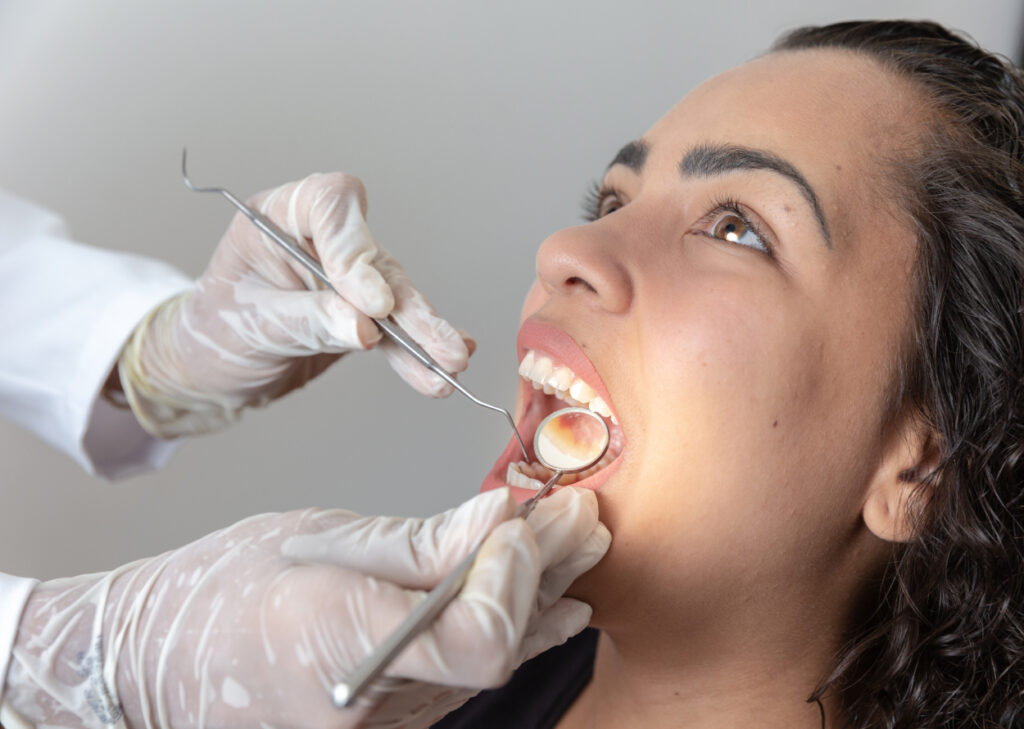
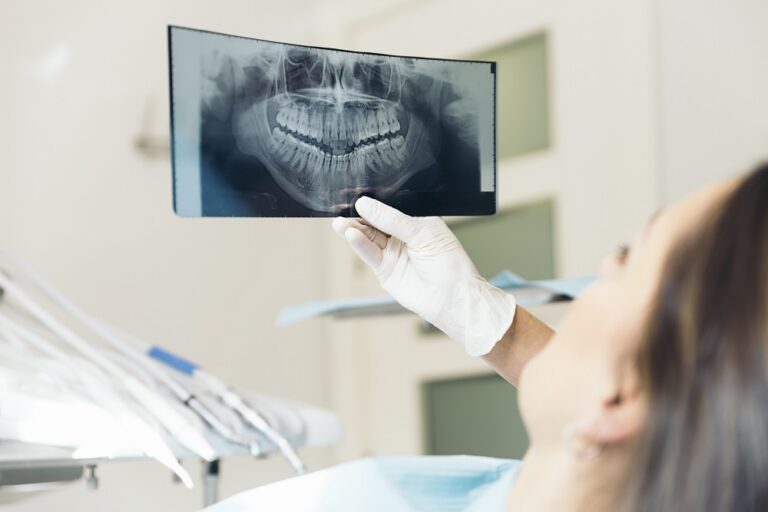
The diagnosis is based on more than a quick glance. A proper periodontal exam usually includes measuring pocket depths around each tooth, checking for bleeding, reviewing recession, evaluating tooth mobility, and taking radiographs to assess bone levels. The numbers matter. Healthy gums typically fit snugly around teeth with shallow measurements, often in the 1 to 3 millimeter range. Deeper pockets, especially those that bleed or are paired with bone loss on X rays, can indicate active disease.
Patients often ask why they “need a deep cleaning” if they brush twice a day. Brushing is important, but once calculus and bacteria collect below the gumline, a toothbrush cannot remove them effectively. That is where professional treatment comes in.
It also matters whether the issue is localized or generalized. A few deeper areas around old dental work or crowded lower front teeth may call for targeted care. Widespread inflammation and deeper pocketing throughout the mouth point to a more comprehensive need. Smoking, diabetes, dry mouth, medications, genetics, grinding, and even stress can influence how severe the condition becomes.
Is periodontal treatment the same thing as a regular cleaning?
No, and this distinction causes a lot of frustration because the names sound similar. A regular preventive cleaning is designed for a mouth that is generally healthy or has only mild gingivitis. It focuses on removing plaque and calculus from above the gumline and slightly below it where tissues are still stable.
Periodontal treatment is different. It addresses infection in deeper spaces where the gums have detached from the teeth. The goal is not simply to polish the teeth. The goal is to disrupt bacterial colonies, remove deposits on the root surfaces, reduce inflammation, and create conditions the body can maintain more successfully.
The most common non-surgical periodontal treatment is scaling and root planing. That means carefully cleaning the roots beneath the gumline and smoothing contaminated surfaces so the tissues have a better chance of healing and tightening. Depending on the office and the severity of disease, this may be done with local anesthetic, hand instruments, ultrasonic devices, or a combination of methods.
Patients sometimes say, “But my teeth looked clean.” Appearance can be misleading. Gum disease lives in the pocket between tooth and tissue, where you cannot see well in the bathroom mirror.
Does periodontal treatment hurt?
Most patients tolerate it better than they expect. If the gums are inflamed, they may already be tender before treatment begins, which can make people nervous. For deeper cleanings, local anesthetic is often used so the area can be treated comfortably and thoroughly. That is usually a better experience than trying to push through discomfort.
After treatment, some soreness, temperature sensitivity, or a “different” feeling around the gums is normal for a few days. Tissues may feel a little raw or your teeth may seem more exposed if swelling goes down quickly. That can actually be a sign the inflammation is resolving. Over the counter pain relief is often enough, though your dental team may give more tailored instructions based on the extent of treatment and your health history.
The bigger issue is often not pain, but surprise. If nobody has explained what is being treated and why, any numbness, sensitivity, or tenderness can feel alarming. When patients understand that infected tissue is healing and swelling is reducing, the experience tends to feel more manageable.
Will my gums grow back after treatment?
That depends on what kind of damage has occurred. Inflamed gum tissue can become firmer and healthier after treatment, and shallow pockets may tighten as swelling resolves. In mild cases, the gums can look dramatically better within weeks.
True regeneration is more complicated. If bone and attachment have been lost from periodontitis, they do not simply grow back on their own in every case. Some regenerative procedures can encourage healing in selected defects, particularly when the shape of the bone loss is favorable and the patient is healthy enough to support repair. But not every site is a candidate, and no ethical clinician should promise complete reversal.
Recession is another source of confusion. When swelling decreases after periodontal treatment, the gums may sit lower on the tooth than they did when inflamed. Some patients interpret that as treatment causing damage, when in reality the swollen tissue had been masking the underlying shape. If recession is significant, gum grafting may be discussed later, especially if roots are sensitive or the tissue is too thin to remain stable.
Why do my gums bleed if I brush every day?
Bleeding is one of the clearest signs that the gums are inflamed. Many people make the understandable mistake of avoiding the area because it bleeds, but that often allows more plaque to accumulate and the cycle continues. Healthy gums generally do not bleed during routine brushing or flossing.
That said, bleeding does not always mean severe disease. It can happen with gingivitis, hormonal changes, certain medications, poorly fitting dental work, mouth breathing, or even a sudden lapse in home care after travel or illness. The pattern matters. Bleeding from one crowded lower front tooth may tell a different story than generalized bleeding throughout the mouth.
When bleeding persists despite good effort at home, a periodontal evaluation is worth taking seriously. Repeated bleeding is your tissue signaling that the bacterial challenge is winning.
What happens during scaling and root planing?
The procedure is usually completed by sections of the mouth rather than all at once, especially if multiple areas need treatment. After numbing the area, the clinician removes calculus and biofilm from the root surfaces below the gumline. Instruments are used to access the pocket, where the goal is to clean in a precise, methodical way without leaving contaminated deposits behind.
You may hear water, feel vibration, or notice pressure, but if anesthesia is working well, it should not feel sharply painful. Once the roots are cleaned, the gums begin the healing process. Some offices also place localized antimicrobial agents in certain deeper pockets, though this is case specific rather than universal.
Patients often ask whether the roots are literally “planed smooth.” Years ago that phrase suggested aggressive scraping. Modern periodontal care is more conservative and biologically informed. The aim is to remove bacterial contamination and deposits while preserving tooth structure whenever possible.
How long does healing take?
Initial healing starts quickly, but full tissue response takes time. In the first few days, tenderness and mild sensitivity may settle. Within a few weeks, many patients notice less bleeding, less puffiness, and fresher breath. Re-evaluation often happens about four to six weeks after treatment, though timing varies.
That follow-up matters. Periodontal treatment is not judged on the day it is performed. It is judged by how the tissues respond. Pocket depths may improve, bleeding may decrease, and some areas may stabilize nicely. Other sites may remain deep or inflamed despite excellent care. Those persistent areas often guide the next step, whether that means more targeted cleaning, antimicrobial therapy, referral to a periodontist, or surgical treatment.
A practical point many people appreciate hearing is that healing can feel uneven. One side may settle fast while another remains sensitive for a little longer. That is not unusual.
If I need surgery, does that mean the disease is severe?
Not always severe, but usually significant enough that non-surgical treatment alone may not achieve a stable result. Periodontal surgery is recommended for several reasons. Sometimes pockets remain too deep to keep clean. Sometimes the bone shape creates hidden areas where bacteria continue to thrive. In other situations, the issue is gum recession, lack of attached tissue, or a defect around an implant.
Surgery can sound intimidating, but it is often more controlled and targeted than patients imagine. A periodontist may gently lift the tissue to gain access for deeper cleaning, reshape certain bony areas, place regenerative materials in carefully selected defects, or graft tissue where the gums are too thin or receded.
The recommendation should always make biological sense. The key question is not whether surgery sounds “major,” but whether it offers a better chance of long-term stability than repeated surface-level treatment.
Can periodontal disease make me lose teeth?
Yes, untreated periodontitis is one of the leading causes of tooth loss in adults. Teeth do not fall out because the enamel gets weak. They become loose when the supporting bone and ligament are compromised. In advanced cases, even teeth without cavities can become mobile enough to fail.
That said, tooth loss is not inevitable once the disease is diagnosed. Many patients keep their teeth for years, even decades, with timely treatment and disciplined maintenance. I have seen cases that looked bleak at the start improve substantially once smoking stopped, blood sugar came under better control, and maintenance visits became consistent. I have also seen the opposite, where a technically good initial treatment failed because the follow-through never happened.
Periodontal disease behaves more like a chronic condition than a one-time event. It can be managed well, but it does not reward neglect.
How often will I need cleanings afterward?
Many patients move from routine preventive visits to periodontal maintenance after active treatment. This is not a marketing relabel. It reflects a different risk profile. Once you have had periodontitis, you are more vulnerable to recurrence, and maintenance visits help interrupt that cycle before deeper damage returns.
A common interval is every three to four months, especially in the first year after treatment. Some patients with excellent home care, shallow stable pockets, and low risk factors may eventually extend farther. Others, particularly smokers or patients with diabetes or ongoing deep pockets, may need the shorter interval long term.
The reason is practical. Harmful bacteria repopulate over time, and areas with a history of deeper pocketing are harder to maintain at home. Waiting six months can be too long for certain mouths. That timing is not arbitrary. It is based on how periodontal disease behaves.
What should I do at home after periodontal treatment?
Home care becomes more important after treatment, not less. Professional therapy gives you a cleaner starting point, but daily plaque control determines whether the tissues stay calm. Patients often expect a complicated routine, yet consistency matters more than novelty.
A solid home care plan usually includes the following:
- Brush thoroughly twice a day with a soft brush or quality electric brush, angling the bristles toward the gumline.
- Clean between the teeth daily, using floss, interdental brushes, or other tools recommended for your spacing and dexterity.
- Use any prescribed rinse or adjunct exactly as directed, especially during the early healing phase.
- Return for re-evaluation and maintenance on schedule, even if the mouth feels fine.
- Report persistent swelling, bad taste, bleeding, or a tooth that feels newly loose.
One of the most common mistakes is using the wrong between-the-teeth tool. Tight contacts may suit floss, while wider spaces often respond better to interdental brushes. If a patient tells me, “I floss every night,” but the lower molars still bleed repeatedly, the issue may be technique, anatomy, or simply that floss is not reaching the area effectively.
Are antibiotics enough to treat gum disease?
Usually not by themselves. Antibiotics may help in selected situations, but they do not replace mechanical removal of plaque and calculus. Bacteria in periodontal pockets live in structured communities called biofilms, and biofilms are hard to eliminate with medication alone. It is similar to trying to solve a plumbing problem by spraying cleaner into a pipe without removing the buildup.
Systemic antibiotics may be considered in specific cases, such as aggressive patterns of disease, acute periodontal infections, or as an adjunct when a clinician believes the benefits outweigh the risks. Localized antimicrobials may also be placed in certain pockets after cleaning. These decisions are individualized. Overusing antibiotics without proper debridement is not good periodontal care and contributes to bigger problems, including resistance and side effects.
Is there a link between gum disease and overall health?
There is a well-established relationship between periodontal inflammation and systemic health, though it is important to discuss it responsibly. Gum disease is associated with conditions such as diabetes and cardiovascular disease, and the relationship with diabetes is especially relevant because it goes both ways. Poorly controlled blood sugar can worsen periodontal disease, and uncontrolled gum inflammation can make diabetes harder to manage.
That does not mean periodontal treatment alone prevents heart attacks or cures systemic illness. The better framing is that chronic oral inflammation adds to the body’s inflammatory burden, and the mouth https://damiennrpo538.nexorafield.com/posts/can-affordable-periodontal-treatment-still-deliver-great-results is not separate from the rest of the body. For pregnant patients, older adults, and people with complex medical histories, periodontal stability can be an important part of broader health maintenance.
Clinically, one of the most striking patterns is how much harder it is to control gum disease in smokers and in patients with uncontrolled diabetes. The tissues simply do not heal as predictably.
Why does periodontal treatment cost more than a regular cleaning?
Because it involves more time, more complexity, and a different level of clinical effort. Treating diseased pockets below the gumline is not the same as polishing clean tooth surfaces. It often requires detailed charting, anesthetic, specialized instrumentation, multiple visits, re-evaluation, and long-term maintenance planning.
Cost also varies by severity, number of areas involved, local market, provider training, and whether a periodontist becomes part of the team. Some patients need only non-surgical therapy. Others need grafting, regenerative procedures, or treatment around implants, which changes the scope considerably.
The better question is often about value rather than price. Delaying needed periodontal treatment can lead to more bone loss, more mobility, more complex future care, and eventually replacement costs that far exceed the original therapy.
Can young adults need periodontal treatment too?
Yes. Although periodontal disease becomes more common with age, younger adults are not exempt. I have seen patients in their twenties with significant pocketing and early bone loss, sometimes linked to smoking or vaping, family history, diabetes, inconsistent care, or orthodontic challenges that made hygiene harder. There are also less common patterns of rapid periodontal breakdown that can affect younger individuals.
The assumption that gum disease is “just an older person problem” leads some people to ignore bleeding gums for years. Age can influence risk, but it does not grant immunity.
What if I have dental anxiety or I feel embarrassed?
You are not alone, and postponing care because of shame is incredibly common. People worry they will be judged for bleeding gums, long gaps between visits, smoking, or not flossing enough. A good periodontal conversation should not sound like a scolding. It should sound like an honest explanation of what is happening now and what can still be saved.
If you are anxious, say so early. That changes how the appointment can be planned. Numbing options, shorter visits, pauses during treatment, topical anesthetic, sedation in some settings, and simple communication cues can make a huge difference. The worst approach is silent endurance.
One patient I remember clearly had delayed care for nearly six years because a previous cleaning hurt and she assumed every future visit would be the same. Once her treatment was done with proper anesthetic and shorter sessions, she admitted the anticipation had been far worse than the procedure itself. That is not unusual.
How do I know if my treatment worked?
You know by what the tissues do over time. Gums should bleed less, look less swollen, and feel easier to keep clean. Breath often improves. On examination, your dentist or hygienist should see reduced inflammation, more stable pocket measurements, and better tissue tone. Some pockets may remain, but if they are shallower, cleaner, and not bleeding, that is meaningful progress.
Success is not always a perfectly uniform set of textbook numbers. Real mouths are more complicated than that. A molar with deep furcations, old restorations, and limited access may remain a challenge even in a committed patient. The goal is disease control and long-term stability, not cosmetic perfection in every site.
When treatment has not worked as hoped, that does not always mean anyone failed. Sometimes anatomy, smoking, uncontrolled medical issues, or advanced baseline destruction limit the response. What matters is recognizing that early and adjusting the plan rather than pretending things are fine.
The question that matters most
Most periodontal decisions come down to one central issue: can the infection be brought under control in a way that is maintainable for you? Not just for the next month, but for the next several years. The answer depends on biology, habits, access for cleaning, and how consistently you return for care.
Periodontal treatment is rarely about a single appointment. It is about changing the environment around the teeth so inflammation has less room to thrive. For some patients, that means one course of non-surgical therapy followed by regular maintenance. For others, it means a longer road with surgery, grafting, or difficult choices about teeth with poor prognosis.
If you have been told you need periodontal treatment, do not focus only on whether the visit sounds unpleasant or expensive. Ask what the measurements show, where the bone loss is, what the realistic goals are, and what maintenance will look like afterward. Those answers tell you far more than the label on the procedure.
When patients understand the why, they make better decisions. And with gum disease, better decisions made early can preserve far more than people realize.
Avra Dental
Address: 1708 S Victoria Ave B, Ventura, CA 93003
Phone number: (805) 941-1001
FAQ About Periodontal Treatment
Can a dentist get rid of periodontal disease?
A dentist or gum specialist (periodontist) cannot fully cure or reverse advanced periodontal disease (periodontitis), but they can successfully stop its progression and manage the infection.
Is periodontitis very serious?
Yes, periodontitis is a very serious, advanced form of gum disease that destroys the bone and tissues supporting your teeth.
How is stage 2 periodontal disease treated?
Stage 2 periodontal disease (early to moderate periodontitis) is primarily treated with non-surgical deep cleaning procedures like scaling and root planing to remove bacteria and tartar below the gumline.