Emergency Dentist Ventura: What to Do When Tooth Pain Strikes Fast

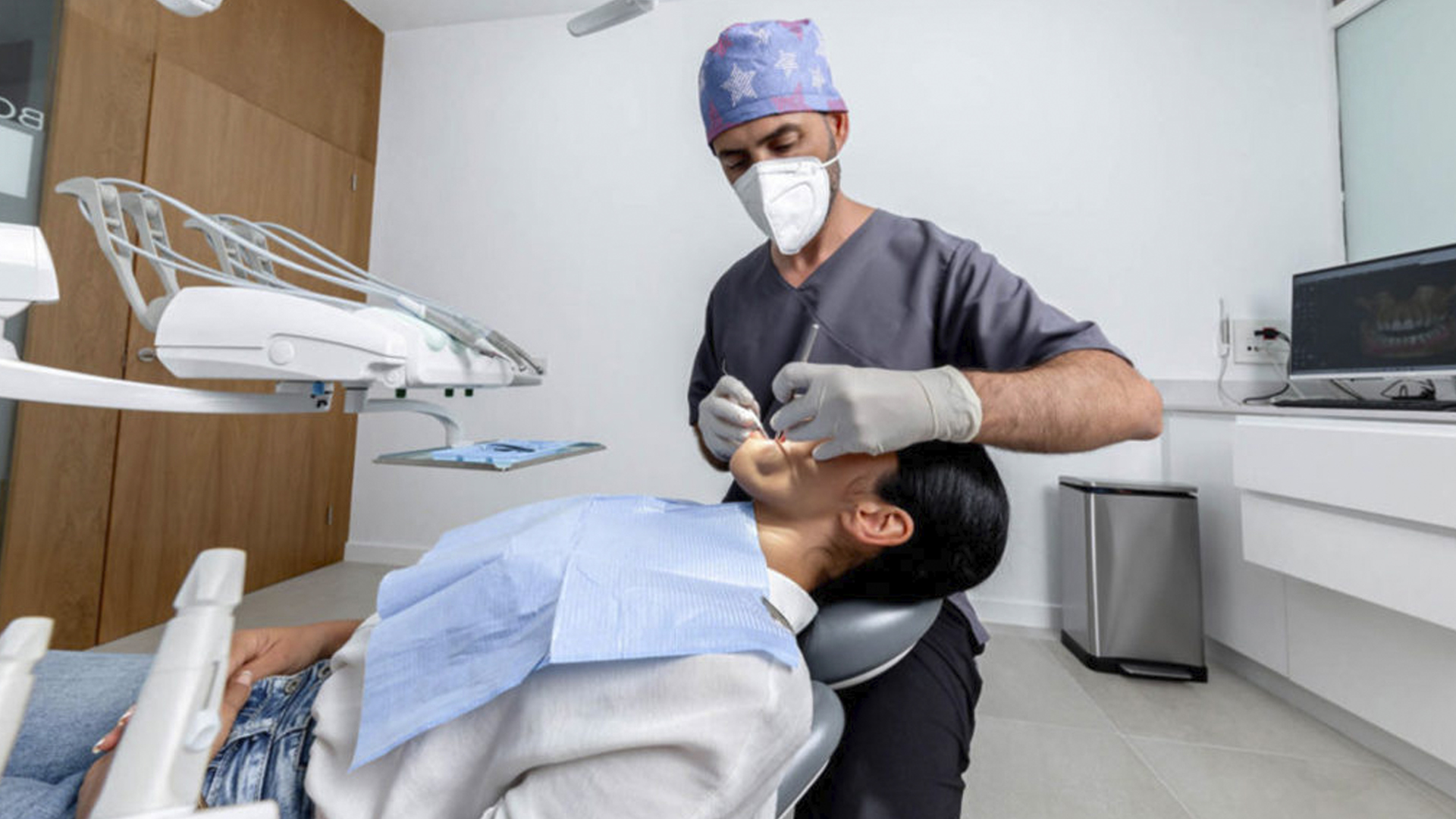
A dental emergency rarely arrives at a convenient time. It starts during dinner, wakes you at 2 a.m., or hits halfway through a workday when there is no room in the schedule for anything else. One minute you are fine, the next you are holding your jaw, pacing the kitchen, and searching for an emergency dentist Ventura residents can trust when the pain feels sharp, sudden, and impossible to ignore.
What makes these situations so stressful is not only the discomfort. It is the uncertainty. People want to know whether they can wait until morning, whether a cracked tooth will get worse overnight, whether swelling means infection, and whether a child with a knocked out tooth needs immediate care. In practice, the right response depends on the kind of problem, how fast symptoms are changing, and whether there are warning signs that extend beyond the tooth itself.
The good news is that a calm, informed response can make a real difference. I have seen people preserve a tooth because they acted quickly and correctly in the first 30 minutes. I have also seen seemingly small issues turn into complex and costly problems because they were brushed off for a few days. When pain strikes fast, the first priority is to recognize what you are dealing with, reduce the risk of further damage, and get the right kind of care without delay.
When tooth pain becomes an emergency
Not every toothache requires same-day treatment, but some absolutely do. A mild sensitivity to cold that comes and goes is different from throbbing pain that keeps intensifying. A small chip in a back tooth may be manageable for a short period, while a broken front tooth after a fall deserves immediate attention, especially if there is bleeding or visible nerve exposure.
In real clinical settings, the line between urgent and non-urgent often comes down to three factors: severity, progression, and associated symptoms. Severe pain that interferes with sleep, eating, or concentration should not be ignored. Rapid swelling in the gums, cheek, or jaw raises concern because infection can spread. Trauma that causes a tooth to loosen, fracture, or come out completely is time-sensitive in a way many people do not realize.
A patient once described an abscessed tooth as "just pressure" during the morning. By evening, the cheek had doubled in size and swallowing had become painful. That shift matters. Dental infections can move quickly, particularly if the source has been brewing under the surface for weeks or months before the pain became obvious.
The signs that deserve immediate attention
Some symptoms point strongly toward the need for urgent dental care, and sometimes medical care as well. If pain is accompanied by facial swelling, fever, a bad taste in the mouth with pus drainage, difficulty opening the mouth, or trouble swallowing, the situation has moved beyond a routine toothache. Those are the cases where calling an emergency dentist Ventura office promptly is appropriate, and where an emergency room may be necessary if breathing or swallowing is affected.
Bleeding that does not stop after dental trauma is another major concern. So is a knocked out permanent tooth, where the window for saving it can be short. Many dentists talk about a roughly 30 to 60 minute period offering the best chance for successful reimplantation, though outcomes vary depending on how the tooth was handled and stored.
Pain after a filling or crown can sometimes be monitored briefly if it is mild and settling. Pain that feels like a pulse in the jaw, pain that spikes when biting, or pain from a broken tooth with a sharp edge cutting the tongue is a different story. When symptoms are escalating rather than easing, waiting usually works against you.
What to do in the first hour
The first hour matters because it is when people either protect the tooth and surrounding tissue or accidentally make the situation worse. A rushed response often leads to mistakes, such as placing aspirin directly on the gum, repeatedly touching an injured tooth, or trying home repairs with glue not meant for oral use.
If the problem is severe pain, rinse gently with warm water to clear debris and assess whether food impaction is contributing. Floss carefully if something may be stuck between teeth, but do not force it. If there is swelling, use a cold compress on the outside of the face in short intervals. Over-the-counter pain medication can help if you normally tolerate it and follow labeled dosing, but topical gels are often less useful than people expect when the pain is deep in the tooth.
If a tooth is broken, save any large fragment if you can find it. If a crown has come off, keep it clean and bring it with you. If a permanent tooth has been knocked out, the approach needs to be especially careful.
- Pick the tooth up by the crown, not the root.
- If it is dirty, rinse it briefly with milk or saline, or with clean water for only a few seconds.
- If possible, place it back into the socket gently and hold it there with light pressure.
- If that is not possible, store it in milk or inside the cheek if the person is old enough to do so safely.
- Get to urgent dental care immediately.
Those simple actions can affect whether the ligament cells on the root surface survive. Scrubbing the root, wrapping the tooth in dry tissue, or leaving it on a counter for an hour can sharply reduce the chance of saving it.
The problems people commonly underestimate
One of the most underestimated emergencies is a cracked tooth. People often expect cracks to be obvious and dramatic, but many are subtle at first. The first clue may be a brief, stabbing pain when biting down, especially on release. If the crack deepens, pain becomes more consistent, and the tooth may eventually split or become infected. Early treatment may allow for stabilization with a crown or other restoration. Delay can turn a manageable repair into root canal treatment or extraction.
Another frequently minimized issue is gum swelling around a single tooth. Patients sometimes assume the problem is "just the gums," when in fact the source may be an infection at the root tip draining through the gum tissue. The pressure may ease temporarily if it drains, which can fool people into thinking the problem has resolved. It has not. The underlying infection remains until it is treated.
Lost fillings also seem minor until they expose sensitive inner tooth structure. A small missing filling in the wrong location can trigger severe temperature pain or trap food in a way that accelerates decay. It may not be life-threatening, but it still qualifies as urgent if the discomfort is strong or the remaining tooth is fragile.
Ventura-specific realities that shape emergency dental care
Location affects dental emergencies more than people think. In Ventura, active lifestyles play a part. Beach outings, cycling, school sports, surfing, and weekend recreation all create opportunities for dental trauma. Mouthguards are still underused outside of formal team sports, especially among adults who assume facial injuries happen to other people.
Ventura also has the practical challenge of timing. Pain that begins on a Friday evening or before a holiday often leads people to search quickly for an emergency dentist Ventura provider with same-day or after-hours availability. In these moments, it helps to focus less on finding the nearest office in a panic and more on finding a practice that can clearly explain whether they can manage the issue, how soon they can see you, and what to do before arrival.
For families, transportation and childcare can complicate urgent care decisions. Parents sometimes hesitate because they are trying to judge whether a child is overreacting. In my experience, children often underreport dental pain until it becomes significant. A child refusing to chew, waking at night with mouth pain, or guarding one side of the face usually deserves more attention than a quick look at the tooth might suggest.
What an emergency dentist is likely to do
Patients sometimes imagine that emergency treatment always means a full permanent fix in one visit. Often, the first goal is more modest and more important: stabilize the situation, stop the pain, control infection, and preserve as many options as possible.
For an abscessed tooth, the immediate approach may include drainage, medication when indicated, and a plan for root canal treatment or extraction. For a cracked tooth, the dentist may place a temporary protective restoration, smooth rough edges, or recommend a crown if the tooth can be saved. For trauma, x-rays help determine whether roots, bone, or surrounding structures are involved. A tooth that looks only slightly displaced can have deeper injury not visible in the mirror.
This is one reason timely care matters. The earlier the evaluation, the more choices there usually are. Once swelling becomes extensive, once a crack extends below the gumline, or once a knocked out tooth has dried out too long, treatment becomes more limited.
Pain control at home, and what not to do
The urge to improvise is strongest when the pain is strongest. That is understandable, but some home remedies create more problems than they solve. Aspirin placed against the gum can burn soft tissue. Clove oil may help some people briefly, but it is not a substitute for treatment and can irritate tissue if overused. Super glue and hardware-store adhesives have no place in the mouth. Hot compresses on a swollen face can worsen inflammation when infection is present.
A safer approach is simpler. Use a cold compress outside the face. Keep the mouth clean with gentle warm water rinses unless instructed otherwise. Eat soft foods if chewing hurts, and avoid extremely hot, cold, or sugary items if the tooth is sensitive. Sleep with the head elevated if throbbing pain worsens when lying flat. Those small adjustments do not cure the cause, but they can make the hours before treatment more manageable.
Dental emergencies in children need a different lens
Pediatric emergencies carry their own set of decisions. A baby tooth knocked out is not treated the same way as a permanent tooth. Parents often assume any lost tooth should be put back in place, but reimplanting a baby tooth can damage the developing permanent tooth underneath. That is why knowing the age of the child and whether the injured tooth is primary or permanent matters.
Children also tend to suffer lip, tongue, and cheek injuries along with dental trauma. Bleeding inside the mouth can look dramatic even when the injury is manageable, so it helps to stay calm and apply steady pressure with clean gauze. If a permanent tooth is chipped and the child has sensitivity or visible pink tissue in the center, prompt evaluation is wise. Even when a tooth appears intact after a fall, darkening over the next few weeks can signal internal damage.
Orthodontic emergencies are another category parents face. A broken bracket is annoying but not always urgent. A wire poking into the cheek can become urgent quickly because it causes ongoing soft tissue injury. Orthodontic wax often buys enough time to be seen during office hours, but severe pain or swallowed components may require faster action.
How to tell whether infection is the real issue
When people say "tooth pain," they often mean several very different experiences. Sharp sensitivity to cold may suggest exposed dentin, a cracked tooth, or a cavity. Dull pressure when biting can point toward a dying nerve, inflammation around the root, or a high restoration. Swelling, warmth, bad taste, and tenderness in the lymph nodes strongly suggest infection.
It is worth taking infection seriously because the mouth is not isolated from the rest of the body. Most dental infections stay localized at first, but not all do. Increased swelling under the jaw, fever, fatigue, and pain that spreads toward the ear or neck raise the stakes. If swelling interferes with swallowing, speaking, or breathing, that is no longer a wait-and-see situation.
Antibiotics alone are not the full answer for most dental infections. The source usually needs https://cashekua540.vantagequill.com/posts/emergency-dentist-ventura-care-for-abscessed-teeth-and-infections direct treatment, such as drainage, root canal therapy, or removal of the tooth. People sometimes feel better after a round of medication and cancel follow-up care, only to have the infection flare again weeks later. Relief is not the same as resolution.
Questions worth asking when you call
The quality of the first phone call often shapes the quality of the care that follows. A good emergency dental office will want specifics. They may ask when the pain started, whether there is swelling, whether trauma occurred, whether the tooth is broken or missing, and whether there are medical conditions or medications that affect treatment.
When patients call, a few details help the office triage accurately:
- Describe the pain clearly, including whether it is constant, throbbing, sharp, or triggered by biting.
- Mention swelling, fever, drainage, or difficulty swallowing right away.
- Explain any recent trauma, even if the tooth still looks normal.
- Ask what to do before arrival, especially for a knocked out or broken tooth.
- Confirm whether the office can provide same-day treatment or only an exam.
That kind of focused conversation saves time and reduces surprises. It also helps you distinguish between an office prepared for urgent cases and one that can only schedule a routine consultation.
The cost question people worry about, often in silence
Dental emergencies carry a financial layer that many people are embarrassed to bring up, but it is a practical issue and should be discussed directly. The cost of emergency care varies widely depending on the problem and the treatment needed. An exam and x-rays are one thing. A root canal, crown, or extraction is another. Trauma involving multiple teeth or facial injuries can escalate costs further.
What I have seen repeatedly is that postponing care rarely makes the situation cheaper. A small fracture may be restorable early and non-restorable later. A localized infection may be straightforward to treat before swelling spreads. That does not mean every case is simple or affordable, but early evaluation usually preserves more options.
If budget is a concern, say so. Many offices can explain phased treatment, temporary stabilization, financing options, or referrals when appropriate. The most expensive mistake is often no plan at all.
Preventing the next emergency
Some emergencies are genuinely unavoidable. People fall, get hit in sports, bite down on an olive pit, or wake up with pain from a tooth that had no obvious warning. Even so, a surprising number of urgent visits trace back to conditions that had been sending quieter signals for months.
Small cavities that were painless become weekend toothaches. A crown that felt a little loose finally comes off during dinner. A tooth with an old large filling develops a crack after years of gradual weakening. Grinding and clenching, especially during stressful periods, are major contributors to cracked teeth and jaw pain. Many adults do not realize how much force they generate at night until a cusp breaks.
Routine exams matter here, not because they eliminate every surprise, but because they catch the most common pathways that lead to pain. Custom night guards for grinders, timely replacement of failing restorations, and mouthguards during contact sports or high-risk recreation can prevent a lot of emergencies that otherwise feel sudden.
When waiting until morning is reasonable, and when it is not
Judgment matters. Not every uncomfortable dental issue at night requires waking an on-call provider. Mild sensitivity from a recently whitened tooth, a tiny chip with no pain, or soreness after routine dental work may be uncomfortable yet safe to monitor briefly. Still, even in those cases, if pain worsens rapidly or new swelling develops, the plan should change.
On the other hand, there are scenarios where waiting is a gamble: a knocked out permanent tooth, uncontrolled bleeding, significant facial swelling, trauma involving a loose or displaced tooth, or pain severe enough that it is escalating despite basic self-care. Those are the moments to stop hoping it will settle and start seeking urgent help.
Searching for an emergency dentist Ventura patients can rely on is really about finding skilled judgment under pressure. The right clinician does not only treat the immediate symptom. They decide what can be saved, what must be stabilized, what can wait safely, and what needs action now.
Tooth pain has a way of making every minute feel longer. A calm response, quick contact with a qualified dental office, and a clear understanding of the warning signs can turn a frightening night into a manageable problem. When pain strikes fast, speed matters, but so does doing the right thing first.
Avra Dental
1708 S Victoria Ave B, Ventura, CA 93003, United States
Phone: +1 805-765-3206
FAQ About Emergency Dentist Ventura
Can the ER do anything for tooth pain?
An emergency department can assess serious symptoms and provide temporary relief, but definitive dental treatment usually requires a dentist. Trouble breathing or swallowing, uncontrolled bleeding, or swelling spreading into the neck requires emergency medical care.
What do I do if I have a dental emergency and no dentist?
Contact a local emergency dental practice promptly, explain your symptoms, and ask about the earliest available assessment. Avra Dental provides emergency dentistry in Ventura; call to confirm availability. If you have life-threatening symptoms or a serious facial injury, go to an emergency department or call 911.
What do I do if tooth pain is unbearable?
Seek urgent dental assessment rather than waiting for the pain to pass. While arranging care, gently rinse with warm water and avoid placing aspirin directly on the tooth or gums. Severe pain with trouble breathing or swallowing, rapidly spreading swelling, or uncontrolled bleeding needs immediate emergency medical care.