Emergency Dentist Ventura Care for Broken Veneers and Front Teeth
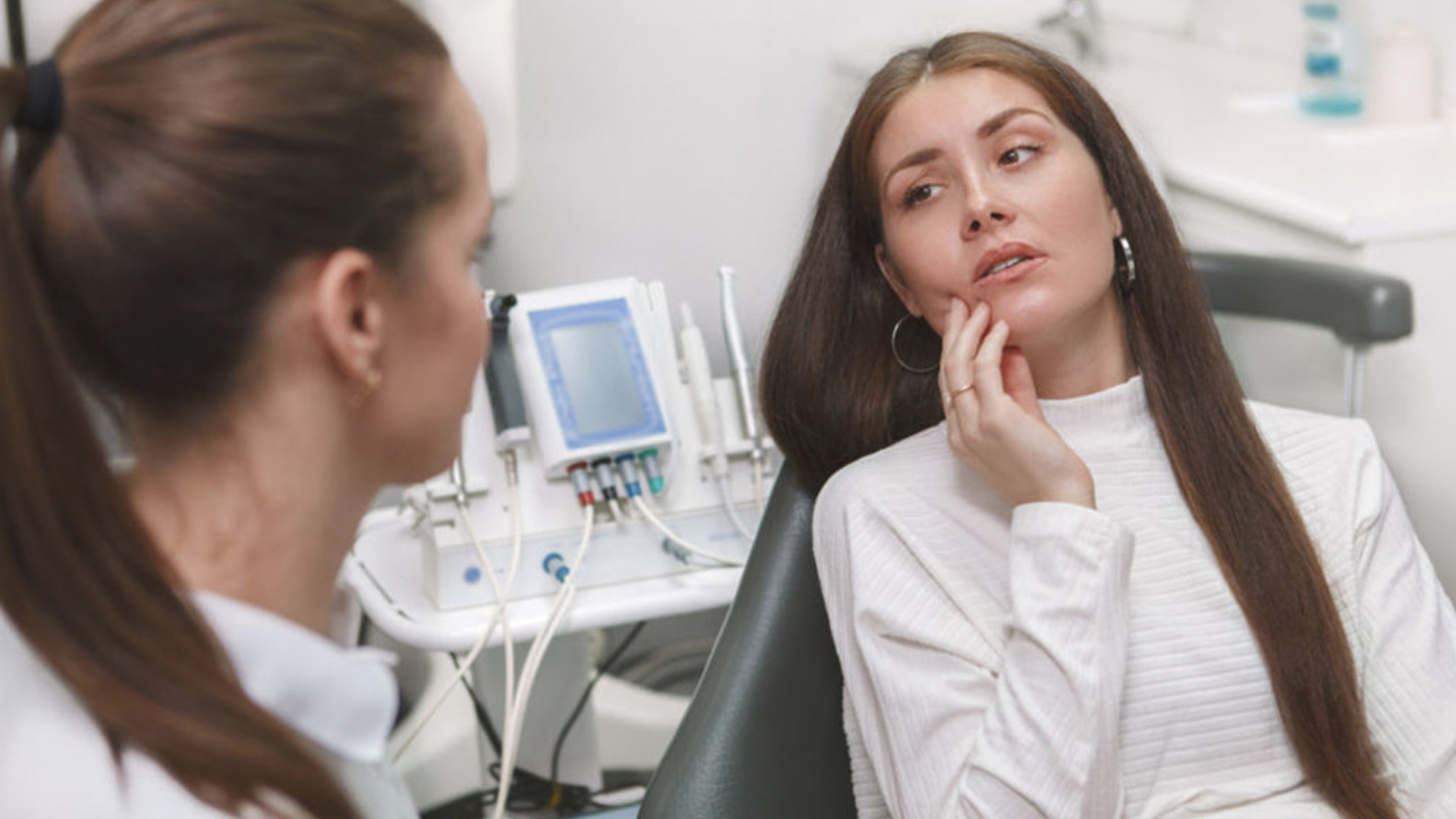
A chipped front tooth changes the whole day. A broken veneer can do the same, sometimes with even more frustration because the tooth underneath may feel oddly exposed, rough, or sensitive to air. These are not the kinds of dental problems people set aside until next month. They are visible, uncomfortable, and often tied to an important event, a work meeting, family photos, or simply the confidence to speak without covering your mouth.
That is where an Emergency Dentist Ventura patients can reach quickly becomes especially important. Front teeth and veneers sit in a difficult category. They are cosmetic, functional, and emotionally charged all at once. A small crack may seem minor from a distance, but the bite can shift, the edge can keep catching on the lip, and the stress of not knowing whether the tooth can be saved tends to grow by the hour.
In practice, broken veneers and damaged front teeth rarely happen at a convenient time. A person bites into a baguette during lunch, wakes up to a loose veneer before a wedding, or takes an accidental elbow during a weekend basketball game. The details differ, but the first questions are almost always the same: Is this a true emergency, can it be fixed today, and what should I do before I get to the office?
Why front tooth damage feels more urgent than other dental problems
A molar with a small fracture can sometimes hide quietly for days. A front tooth does not. Even a tiny corner chip changes the way light hits the smile. Speech can sound different if the edge is sharp or shortened. Many people also discover, often to their surprise, that a front tooth is more involved in eating than they realized. Tearing into a sandwich, biting an apple, or even managing a crisp salad can become awkward.
There is also a practical reason these injuries need prompt evaluation. A veneer that has cracked may still be partly attached, placing torque on the tooth underneath every time the patient talks or bites. A front tooth that looks like a simple chip may actually have a deeper fracture line extending toward the nerve. Delaying care can turn a straightforward bonding repair into a more complicated restoration, or in some cases a root canal and crown.
Cosmetic urgency sometimes makes people apologize when they call. They should not. If the damage affects comfort, function, or appearance, it is reasonable to seek urgent care. Emergency dentistry is not limited to severe swelling or uncontrollable pain. A compromised front tooth deserves timely attention because early treatment often preserves more tooth structure and produces a better aesthetic result.
Broken veneer or broken tooth, the distinction matters
Patients often say, “My tooth broke,” when the porcelain veneer has fractured but the natural tooth underneath is intact. Others assume it is “just the veneer,” when in fact part of the tooth itself has chipped along with the restoration. The treatment options differ, and so does the urgency.
A veneer is a thin shell, usually porcelain or composite, bonded to the front surface of a tooth. Veneers can chip at the edge, crack across the face, debond completely, or come off in one piece. When that happens, the underlying tooth may remain healthy and strong, or it may have a vulnerable exposed margin that is now sensitive.
A natural front tooth can break in several ways. Sometimes only the enamel chips, leaving a small rough edge that can be polished or bonded. Sometimes the fracture reaches dentin, which often brings sharp sensitivity to cold air or water. In more serious cases, the crack reaches the pulp, the living tissue inside the tooth, and pain becomes more intense, throbbing, or unpredictable.
From the chairside perspective, what looks similar in the mirror can be very different biologically. That is why photos sent to the office can be helpful for triage, but they do not replace an exam. A clinician needs to check mobility, bite, soft tissue injury, and in many cases take an X ray to rule out root damage.
The most common ways veneers and front teeth get damaged
The obvious cause is trauma. Sports injuries, a fall in the kitchen, a toddler’s sudden head movement, or a car door swung at the wrong moment can all break a front tooth in seconds. I have also seen plenty of non dramatic causes. Veneers often fail while patients are doing something they considered harmless, such as biting into crusty bread, opening a package with their teeth, or chewing ice during a long drive.
Night grinding is another frequent culprit. The patient may not even know they clench. The veneer survives for years under normal use, then develops a hairline crack after months of heavy nighttime pressure. Composite bonding on front teeth can chip gradually, while porcelain may crack cleanly once stress accumulates past a certain threshold.
Age of the restoration matters too. Bonding agents and restorative materials are durable, but they are not immortal. A veneer placed many years ago may debond because the cement interface has weakened, because recurrent decay has developed at the margin, or because the bite has changed over time. If the original veneer was slightly too long or took more force than ideal during chewing, the risk climbs.
What to do in the first hour
The first hour after the damage often determines how calm and manageable the situation becomes. The priorities are straightforward: protect the tooth, save any piece that came off, and avoid turning a repairable problem into a more complicated one.
If the veneer has come off whole, keep it. Place it in a clean container. Do not try to glue it back with household adhesive. That sounds obvious in a dental office and remarkably less obvious at home when someone is late for an event and staring at a front tooth that suddenly looks unfinished. Super glue, craft glue, and temporary hardware products create contamination and can injure the gums. They also make proper rebonding harder.
If the natural tooth chipped, rinse the mouth gently with water and save any fragment if you can find it. Some pieces can be useful for evaluating fit or, occasionally, for reattachment in select cases. If there is bleeding from the lip or gum, apply gentle pressure with clean gauze or even a damp washcloth.
Here are the best first steps before you see an Emergency Dentist Ventura office:
- Rinse gently with lukewarm water and avoid very hot or very cold drinks.
- Save the veneer or tooth fragment in a clean container.
- If an edge is sharp, cover it with orthodontic wax or sugar free gum until you are seen.
- Eat soft foods and chew on the opposite side.
- Call the dental office promptly, especially if the tooth feels loose, painful, or sensitive to air.
That last point matters. A loose front tooth after trauma raises a different set of concerns than a veneer that simply popped off. Looseness can indicate ligament injury, root damage, or movement of the tooth within the bone. That should not wait.
When it is truly urgent, not just inconvenient
There is a broad middle ground in dentistry between routine and life threatening. Broken front teeth live in that middle ground often enough that patients are uncertain about how hard to push for same day care. The answer depends on what else is happening besides the visible damage.
If the tooth is very painful, loose, bleeding significantly, discolored after trauma, or associated with lip or facial injury, urgent evaluation is warranted. If the veneer fractured and the underlying tooth is sharply sensitive to air, sweets, or cold water, that also deserves prompt care. Severe bite changes, where the patient cannot close comfortably without hitting the damaged tooth, are another reason to move quickly.
On the other hand, a tiny edge chip with no sensitivity and no change in the bite may still be urgent from an aesthetic perspective, but it is less likely to represent a deeper biologic problem. The distinction helps offices prioritize appropriately. In a good emergency dental setting, the schedule has enough flexibility to separate cosmetic repairs that can safely wait a day or two from injuries that need immediate stabilization.
One detail patients often overlook is timing after trauma. A tooth that feels “fine” in the first hour can start hurting later as inflammation sets in. If there was a blow to the mouth, it is smart to arrange follow up even when the visible chip seems small.
What an emergency dental visit usually involves
An efficient emergency visit for a broken veneer or front tooth is part diagnosis, part stabilization, and part planning. The first goal is to determine whether the tooth can be protected and whether the nerve, root, or supporting bone may be involved. The second goal is to make the patient comfortable and presentable as quickly as possible.
The exam usually begins with a close look at the restoration or fracture line, along with questions about how the injury happened. Mechanism matters. A clean debonding during breakfast suggests one kind of problem. A direct blow to the mouth from a skateboard accident suggests another. The dentist will check the bite, test mobility, and look for hidden cracks under magnification. X rays are common when trauma is involved or when the fracture seems deeper than surface enamel.
Once the diagnosis is clearer, temporary or definitive treatment can often start immediately. A loose veneer may be removed safely if it is hanging by a small segment and irritating the lip. A chipped tooth can often be smoothed the same day so it no longer cuts the tongue. Composite bonding can sometimes restore shape beautifully in a single visit, particularly for small to moderate fractures. If the issue is a porcelain veneer that cracked but the tooth underneath remains sound, the office may place a provisional or discuss replacement depending on the material, fit, and condition of the underlying tooth.
Patients are often relieved to learn that not every broken front tooth means a crown. In fact, preserving the natural tooth with conservative bonding is often preferable when enough healthy structure remains. On the other hand, there are cases where trying to “just patch it” leads to repeated failures, especially when the fracture line is large, the bite is heavy, or the old veneer had been repaired multiple times before. Good emergency care includes that kind of honest judgment.
Repair, rebond, replace, or protect
There is no single fix for all front tooth emergencies. A successful plan depends on what broke, how it broke, and what the tooth looked like before the incident.
When a porcelain veneer comes off intact and the fit remains accurate, rebonding may be possible. That tends to be the best case scenario, although it still requires careful inspection of the veneer and the tooth. If the porcelain is cracked, the margin is damaged, or decay is present under the old restoration, replacement is often the better long term choice.
For natural tooth chips, composite bonding is one of the most useful tools in emergency cosmetic dentistry. Done well, it can restore contour, close a visible defect, and blend surprisingly well in color and translucency. It is also conservative, which matters on front teeth where every millimeter of enamel has value. The trade off is durability. Bonding is excellent for many situations, but it can stain, wear, or chip over time, especially in patients who clench or bite into hard foods.
Larger fractures may need a crown or a new veneer, depending on how much of the front surface and edge are involved. If the nerve is exposed or later becomes inflamed, root canal treatment may be necessary before final restoration. Patients understandably dislike hearing that after what looked like “just a chip,” but biology does not always announce the full extent of injury on day one.
A knocked or moved front tooth is a different category altogether. The immediate priority there is stabilization and monitoring. Veneers Emergency Dentist Ventura become secondary once the tooth’s long term survival is at stake.
The cosmetic side is not superficial
Dentists sometimes use the phrase “esthetic zone” when talking about the front teeth, but patients experience it in more human terms. They smile differently, speak differently, and often socialize differently when a front tooth is damaged. I have seen otherwise practical, unflappable adults become intensely anxious over a fractured veneer because the injury feels public every minute it goes unrepaired.
That reaction makes sense. The front teeth frame facial expression. Even a small asymmetry catches the eye. Restoring that area is not simply about replacing missing material. Shade, shape, edge position, surface texture, and how the tooth reflects light all matter. A repair that is clinically sound but visually flat or bulky may leave the patient just as dissatisfied as the original chip.
This is why emergency care for front teeth benefits from a dentist who is comfortable balancing function and cosmetics under time pressure. Sometimes the right move is a polished temporary fix today and a refined definitive restoration later. That approach can be better than rushing a permanent solution when the tissue is swollen, the bite is unsettled, or the color match would be compromised by dehydration of the tooth after trauma.
A quick story from real practice patterns
A common scenario goes like this: a patient in her forties arrives late afternoon with a porcelain veneer on the upper central incisor in a tissue. It detached while eating a salad, of all things. She has an event the next morning and is convinced the entire tooth is ruined. On exam, the veneer is mostly intact, the tooth underneath has old bonding and some exposed margin, but no crack into the root. The bite shows heavy contact from lower incisors, and she mentions frequent jaw tightness on waking.
That case is rarely about luck alone. The veneer likely served for years while the bite forces slowly increased. The debonding happened during lunch, but the groundwork had been in place for a long time. If the veneer still fits, it may be rebonded as a short term or even durable solution, but the bite issue cannot be ignored. Without addressing the clenching, a replacement veneer may fail again. An emergency visit solves the immediate problem, yet the long term success often depends on what happens next, perhaps equilibration, a night guard, or restorative redesign.
That is the kind of judgment patients value. Not just “we glued it back,” but “here is why it happened, here is what we can save today, and here is how we reduce the odds of a repeat.”
How temporary repairs fit into the bigger picture
Temporary care gets underestimated. In front tooth emergencies, a well executed temporary can protect sensitive dentin, improve appearance dramatically, and buy time for a better final result. This is particularly useful when the office needs to order a custom veneer, when swelling obscures the ideal contour, or when the tooth’s vitality needs monitoring after trauma.
Temporary materials are not a sign of lower quality. They are part of after hours dentist Ventura prudent sequencing. For instance, after a traumatic fracture, the pulp may respond unpredictably for weeks. Locking into a final restoration too soon can be premature. A provisional solution keeps the tooth functional and presentable while the clinical picture becomes clearer.
Patients should also know that a temporary front tooth repair deserves respect. It is not the moment to test it with nuts, jerky, or a crisp apple. Soft diet instructions after emergency treatment are not generic caution. They directly affect whether the stabilization lasts.
What to expect after the visit
Symptoms after repair vary. Mild soreness around the tooth is common if there was trauma or if the lip and gums took an impact. A freshly bonded edge can feel slightly different to the tongue for a day or two, even when polished well. Some temperature sensitivity may linger if the dentin was recently exposed.
There are, however, warning signs that call for prompt reassessment:
- Increasing pain, especially throbbing or pain that wakes you up
- New darkening or graying of the tooth after trauma
- A bite that feels suddenly high or uncomfortable
- Mobility that is worsening rather than improving
- Recurrent loss of the temporary or repaired fragment
A front tooth that changes color after injury deserves attention, even if it is not very painful. That can indicate loss of vitality. Similarly, if the bite feels off after a repair, it should be adjusted sooner rather than later. Even a slightly heavy contact on a front tooth can chip fresh bonding or strain a compromised tooth.
Preventing the next emergency
Not every accident is preventable, but many repeated veneer and front tooth failures follow recognizable patterns. Patients who play contact sports, even recreationally, benefit from a properly fitted mouthguard. People who grind at night often assume a front veneer crack is random when it is really the visible tip of a larger force problem. A night guard can make a substantial difference when recommended for the right patient.
Food habits matter more than people like to hear. Front teeth are not package openers. They are also poor tools for cracking sunflower seeds, holding bobby pins, or pulling tape. Hard crusts, ice, and very sticky candies challenge both veneers and bonding. Most adults know this in theory. Emergencies happen when habit outruns theory.
Regular maintenance helps too. Small margin defects and tiny chips are much easier to address electively than after a larger failure. When a patient says, “I noticed a little roughness a few months ago,” that is often the missed window where a simple polish or minor repair could have prevented a more dramatic break.
Choosing the right emergency care in Ventura
When the damage is in the front of the mouth, speed matters, but so does experience with aesthetic dentistry. A same day opening is valuable. A rushed, one size fits all fix is less valuable. The best emergency dental care balances urgency with craftsmanship. Patients should feel free to ask whether the office commonly handles veneer emergencies, traumatic front tooth fractures, and cosmetic bonding repairs.
Photos can help when calling. A clear smartphone image of the smile, the broken piece, and any swelling gives the office a better sense of timing and likely treatment needs. It can also help the clinical team advise whether to come in immediately, save the fragment, avoid eating, or seek additional medical evaluation if there was significant facial trauma.
For anyone searching for an Emergency Dentist Ventura providers who understand both function and appearance can make a difficult day far more manageable. The right care does more than patch the visible problem. It protects the tooth, restores confidence, and sets up the best long term outcome.
A broken veneer or front tooth feels personal because it is. The damage is visible, the timing is usually awful, and the uncertainty can be worse than the fracture itself. Fast, thoughtful treatment changes that quickly. With prompt evaluation and the right repair strategy, many of these emergencies end not with a compromised smile, but with one that looks and feels like itself again.
Avra Dental
1708 S Victoria Ave B, Ventura, CA 93003, United States
Phone: +1 805-765-3206
FAQ About Emergency Dentist Ventura
Can the ER do anything for tooth pain?
An emergency department can assess serious symptoms and provide temporary relief, but definitive dental treatment usually requires a dentist. Trouble breathing or swallowing, uncontrolled bleeding, or swelling spreading into the neck requires emergency medical care.
What do I do if I have a dental emergency and no dentist?
Contact a local emergency dental practice promptly, explain your symptoms, and ask about the earliest available assessment. Avra Dental provides emergency dentistry in Ventura; call to confirm availability. If you have life-threatening symptoms or a serious facial injury, go to an emergency department or call 911.
What do I do if tooth pain is unbearable?
Seek urgent dental assessment rather than waiting for the pain to pass. While arranging care, gently rinse with warm water and avoid placing aspirin directly on the tooth or gums. Severe pain with trouble breathing or swallowing, rapidly spreading swelling, or uncontrolled bleeding needs immediate emergency medical care.